
STARCH & PROTEIN INDUSTRY
There is a growing global demand for starch and vegetable protein products and centrifugal separation technology is a key factor in meeting this demand. The success of the industry depends on increased productivity, high quality and the economical use of resources.
Starch is mainly obtained from starch-rich plants such as wheat, potatoes, maize, rice, peas and cassava. Starch is the substance in which plants store their energy and it is a polysaccharide made up of glucose units. The starch granules, particle size distribution and molecular composition may vary from one plant source to another. The main components of glucose units that determine the physical properties of starch are straight-chain starch and branched-chain starch. The viscosity and pasting properties of starch depend on these components. The most important technical properties of starch are adhesion, binding, thickening and stabilisation.
Its functional properties can also be subsequently modified by mechanical, chemical and thermal processes to produce specialised products suitable for industry. Today, around 1,000 different starch products are used for a wide variety of applications such as the production of pasta, starch-based foods, glucose, sizing of paper and thickening of paints, to name just a few.
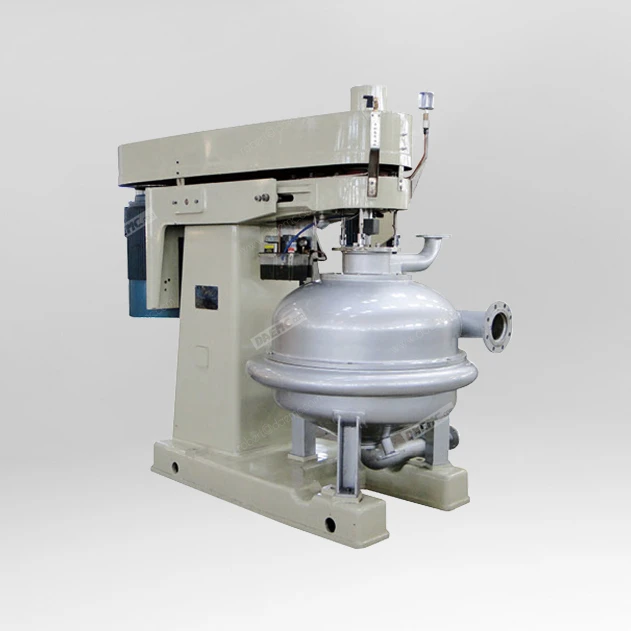
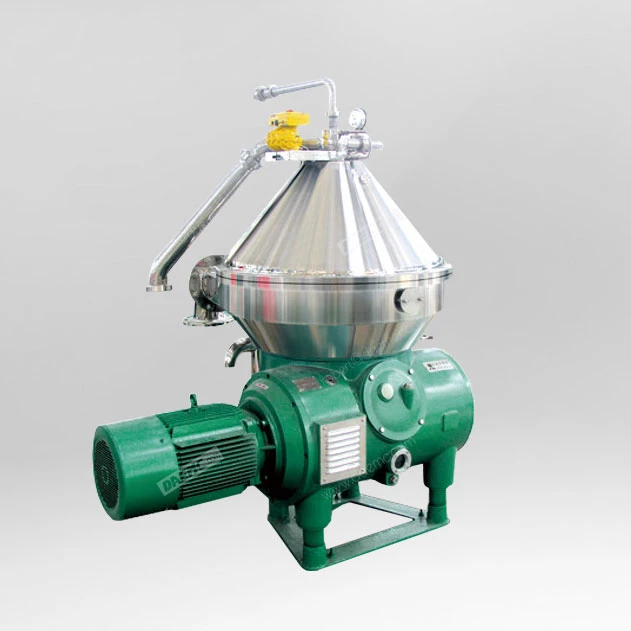
In addition to the traditional uses in the food and paper industries, the efficient development of detergents, cosmetics, pharmaceuticals and biodegradable products is becoming increasingly important. The resulting potential for increased production and diversification of end products requires ultra-modern production systems. To this day, Daemc separators are still supplying a wide range of centrifugal separation solutions for starch extraction.
Plant Protein Industry
Plant proteins are one of the most important nutritional resources. At the same time, the fascinating properties of proteins are constantly developing new potential applications for industry. In order to benefit from this diversity, these valuable substances must be separated out in high purity so that they are suitable as specialised proteins for further processing.
On this basis, Centrifuge separators have developed a variety of technologies and are constantly improving existing processes. The result is integrated plant systems and process lines that economically handle renewable raw materials, are highly automated and consume less water and energy than was possible in the past.